
The Center for Clinical Research

Common Symptoms of Amputee Pain

People experiencing amputee pain in Winston-Salem, NC often describe a range of sensations that vary in intensity and frequency. Recognizing these symptoms is often the first step toward considering a research study.

Phantom Limb Pain

Pain or discomfort that feels like it's coming from the missing limb.

Burning Sensations

A persistent or intermittent burning feeling at or near the amputation site.

Sharp or Shooting Pain

Sudden, intense pain that can occur without warning.

Tingling or Numbness

Unusual sensations that may come and go throughout the day.

Residual Limb Discomfort

General soreness or aching in the remaining limb.

Sensitivity Around the Amputation Site

Increased sensitivity to touch, pressure, or temperature.

Muscle Cramping

Involuntary tightening or spasms near the affected area.

Difficulty Using a Prosthetic Comfortably

Pain or irritation that makes wearing a prosthetic device challenging.

Who May Qualify for an Amputee Pain Clinical Study?

Clinical research studies rely on volunteers who meet specific criteria, and eligibility is always confirmed through a formal screening process. Generally, individuals who may be considered for an amputee pain study include:

  • Adults experiencing amputee pain
  • Those dealing with phantom limb pain
  • Individuals with persistent residual limb pain
  • People interested in exploring additional research opportunities
  • Those who meet study-specific medical criteria
  • Individuals able to attend scheduled study visits

Every research study has its own set of requirements, and not everyone who is interested will qualify. The only way to know for certain is through a screening conversation with the research team.

A Doctor consulting a patient

Why Participate in a Clinical Trial?

Choosing to take part in a research study is a personal decision, and it's one that can contribute to something larger than an individual's own experience. Reasons people choose to get involved in amputee pain research include:

  • Helping researchers better understand amputee pain and its underlying causes
  • Contributing to future medical advancements in pain management research
  • Gaining access to study-related evaluations and monitoring
  • Being closely observed by a dedicated research team throughout the study
  • Supporting the development of future treatment options for amputation recovery

It's important to understand that participation does not guarantee any medical benefit or symptom improvement. Clinical research is designed to gather information that may help future patients, not to provide guaranteed personal treatment outcomes.

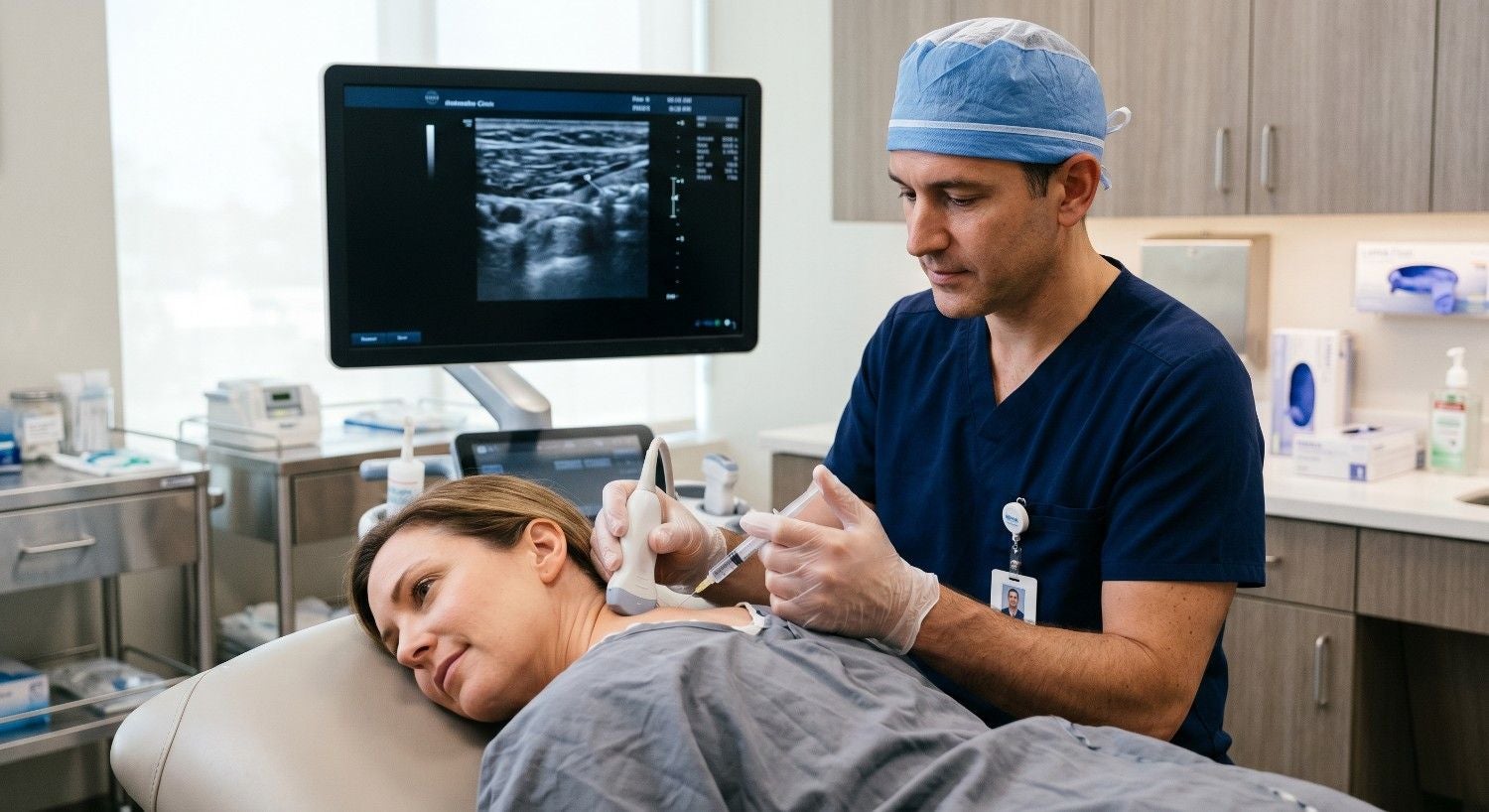
A woman having a procedure done

What Happens During a Clinical Research Study?

Each research study follows its own protocol, but generally, participants can expect an initial screening to determine eligibility, followed by scheduled visits where researchers gather information, conduct evaluations, and monitor participants closely. The research team at The Center for Clinical Research will walk you through what to expect at every stage, so you always know what's involved before deciding to move forward.

A person having their vitals checked

Learn More About Amputee Pain Research in Winston-Salem, NC

If you're living with amputee pain and want to explore whether a clinical study might be right for you, The Center for Clinical Research in Winston-Salem, NC is here to answer your questions. Participation is completely voluntary, and eligibility depends on criteria specific to each study.

Reach out today to speak with our team and learn more about current amputee pain research opportunities available to you