
The Center for Clinical Research

Common Symptoms of Chemotherapy-Induced Neuropathy

CIPN can present differently from person to person, but there are several symptoms that are frequently reported. Understanding these symptoms can help you recognize whether what you're experiencing may be related to chemotherapy nerve pain.

Burning Pain

A persistent burning sensation, often in the feet or hands, that may worsen at night.

Tingling or "Pins and Needles"

A prickling feeling that can come and go or remain constant.

Numbness in the Hands or Feet

A reduced ability to feel temperature, texture, or pain in the affected areas.

Sharp or Shooting Nerve Pain

Sudden, intense pain that travels along the nerve pathways.

Increased Sensitivity to Touch

Even light contact, like socks or bedsheets, may feel uncomfortable or painful.

Difficulty with Balance

Numbness in the feet can make it harder to sense the ground, increasing fall risk.

Muscle Weakness

Some individuals notice reduced strength in their hands or legs.

Reduced Coordination

Fine motor tasks, like buttoning a shirt or holding small objects, can become more difficult.

Difficulty Performing Everyday Tasks

Simple activities like writing, cooking, or walking may require more effort.

Symptoms After Chemotherapy

For some, chronic nerve pain persists long after cancer treatment ends.

Who May Qualify for a Chemo-Induced Neuropathy Pain Clinical Study?

Clinical research studies have specific eligibility criteria designed to ensure the safety and relevance of the research. While every study is different, individuals interested in participating in a chemo-induced neuropathy pain clinical study in Winston-Salem, NC often share some general characteristics, including:

  • Being an adult currently experiencing chemotherapy-induced neuropathy pain
  • Having completed or currently receiving certain chemotherapy treatments
  • Experiencing persistent nerve pain, numbness, or tingling following chemotherapy
  • Being able to attend scheduled study visits at our Winston-Salem, NC research facility
  • Having a willingness to participate in clinical research
  • Meeting all study-specific eligibility requirements

Eligibility varies by study and can only be confirmed during a formal screening process. If you believe you may qualify, reaching out is the best way to find out for certain.

A Doctor consulting a patient

Why Participate in a Clinical Trial?

Choosing to participate in clinical research is a personal decision, and it's one that contributes to something larger than any single individual. Here's why many people choose to get involved:

  • Helping researchers better understand chemotherapy-induced neuropathy: Every participant helps build a clearer picture of how CIPN develops and progresses.
  • Supporting the development of future treatment options: Research today may inform the therapies available to future patients.
  • Access to study-related evaluations: Participants typically receive assessments related to their symptoms throughout the study.
  • Careful monitoring by the clinical research team: Our research staff observes and documents participant progress closely during the study period.
  • Contributing to medical research: Your participation helps expand what is known about chemotherapy-induced peripheral neuropathy and may benefit future cancer patients experiencing neuropathy.

Participation is entirely voluntary, and clinical research does not promise symptom improvement or treatment success. Studies are conducted to gather data and expand medical understanding—not to guarantee outcomes.

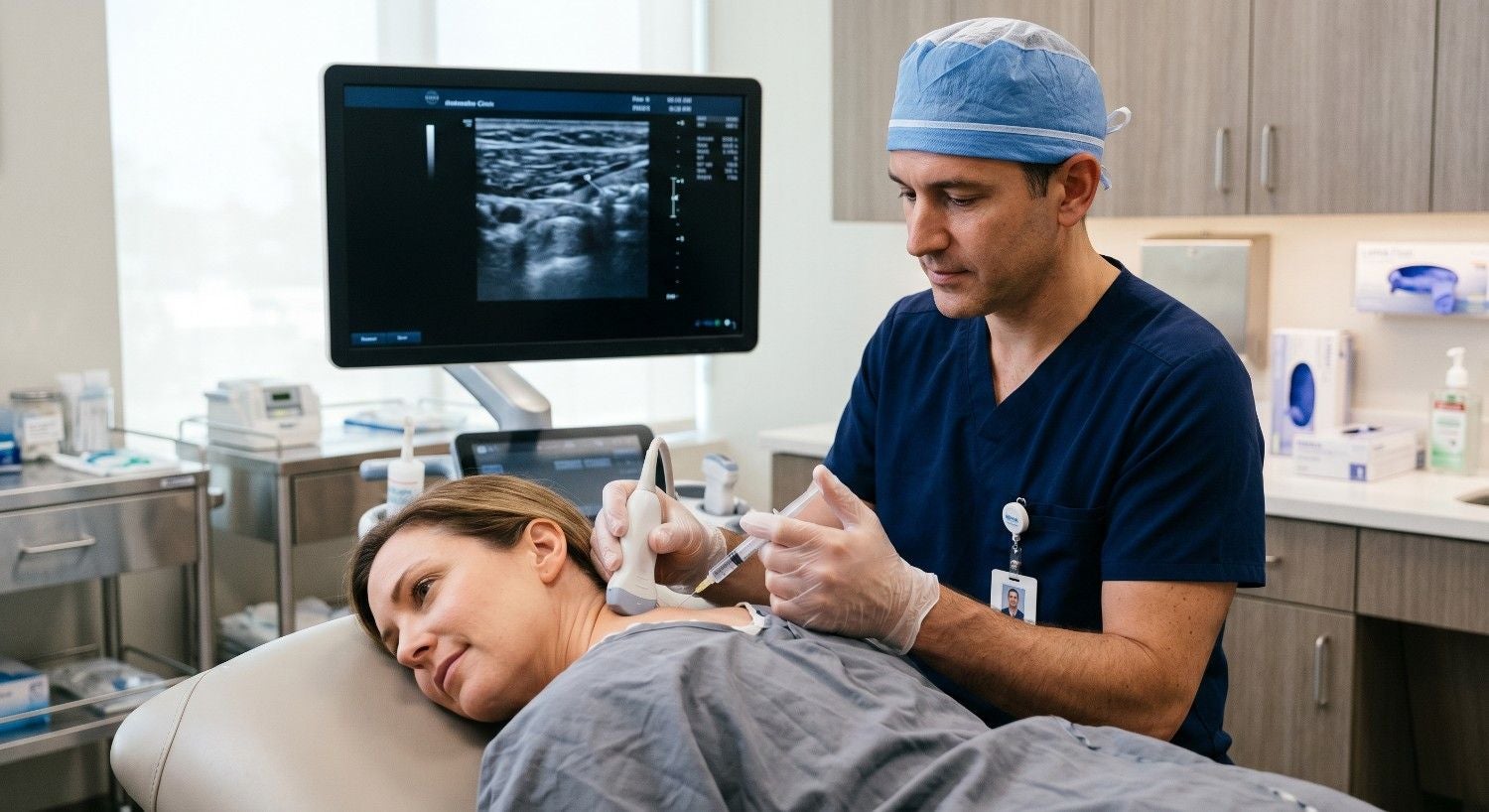
A woman having a procedure done

What Happens During a Clinical Research Study?

Every research study has its own protocol, but generally, participants can expect an initial screening visit to determine eligibility, followed by scheduled study visits where researchers gather information and monitor participants. The clinical research team will explain what to expect in detail before you decide whether to move forward, and questions are always welcome throughout the process.

A person having their vitals checked

Take the Next Step Toward Understanding Chemo-Induced Neuropathy Pain

If you're experiencing chemo-induced neuropathy pain, tingling hands, burning feet, or other symptoms of peripheral neuropathy following chemotherapy, The Center for Clinical Research in Winston-Salem, NC invites you to learn more about our current research opportunities. Contact our team today to find out whether a chemo-induced neuropathy pain clinical study may be right for you. Participation is completely voluntary, and every study has its own eligibility requirements that our team can walk you through during the screening process. Reach out to The Center for Clinical Research today to take the first step toward learning more.